

Three Types of Electric Stoves
Many homeowners prefer gas stoves that can add a professional look to kitchens. If you live in a place that does not have a natural gas line, an electric stove is a good option.
Electric stoves, also known as ranges, utilize outlets that are 240-volt to power the heating elements. Coil-top models have exposed metal coils, while glass-top models use heating components under a flat ceramic surface.
Types
Electric stoves come in a range of designs. They can be freestanding with burners on top, and an oven beneath, or they could be flat-top models which only have burners on the cooktop. They also can feature exposed coils and smooth glass or ceramic surfaces and induction stoves which use magnetic fields to heat the pans directly. The three types of electric stoves operate quite similarly. It is important to consider the pros and cons of each when deciding on the best one for you.
Coil-top stoves are made of exposed metal coils that are powered by 120 volts of electricity to generate heat for cooking. The coils emit heat to the hotplates made of iron where the cookware is put. The first models used resistive coils. The latest models utilize composite elements, with the resistive wires contained inside hollow metal tubes that are filled with magnesite. This helps distribute heat more evenly.
These stoves can be robust and efficient, but they can be more difficult to maintain than those with a glass or radiant top. Food particles can easily get stuck in the drip pans and coils, and the hotplates can be damaged by pots that are dropped on them or spills that aren't cleaned up promptly.
The coil-top electric stoves have another major disadvantage: the heating element can take a few moments to get to its maximum temperature following turning it on. This can delay cooking time and increase the chance of a cooked pot becoming overcooked if the burner remains on even after it's been turned off. The coils will remain hot for a few minutes after the burners have been switched off. This increases the risk of burns if you contact the surface.
Gas stoves have been a feature in many kitchens and they offer instant heat and better temperature control than electric models. However they can be expensive to run in homes that don't have gas lines and could be dangerous when there isn't adequate ventilation. Additionally, studies have been linked the release of gas from gas stoves to asthma in children and more stringent regulations are likely to make the switch to electric stoves in the near future.
Safety
Stoves are among the most important appliances in your kitchen, but they can be a danger when not used correctly. If you're considering installing an electric range, it is essential to understand what the appliance does and what safety precautions need to be taken to avoid fires or accidents.
Electric stoves cook food using coils, which are more secure than gas since there is no open flame. However, electric stoves still need to be monitored closely because they could burn in the event that the temperature is too high or there are loose connections. To prevent this make sure all knobs are turned off before you leave the room. Also, use a thermometer to check the temperature of the food.
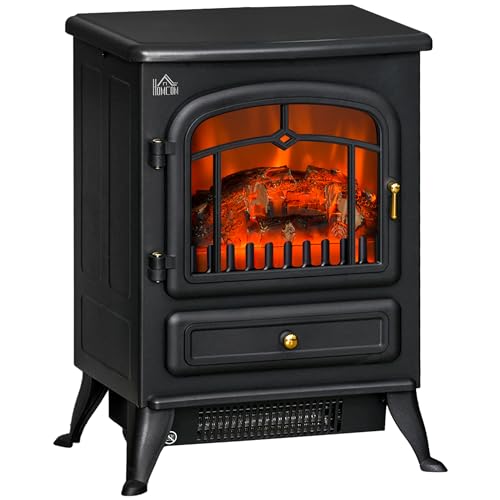
Many electrical stoves can tell the time that the burner is turned on, which can help prevent burns and injuries. If your stove is equipped with this feature, a warning will blink or beep if the burner is left on by accident or switched off. This is particularly useful for those who live on their own or suffer from cognitive impairments and who may forget to shut the stove off.
Children and pets are also at risk of burn or fire when using an electrical stove. There are many third-party products that keep your family safe. They include locking stove knob covers, strap locks for the oven door and locking knob covers.
If you are concerned about the environmental impact, you can choose a stove that runs on renewable energy or has been awarded an Energy Star rating. These kinds of stoves typically cost more than regular stoves however they will save you money in the long run by using less energy.
When cleaning your stove, it is important to look for damage or rust to the surface. It is also a good idea, periodically, to clean behind the oven and the stove to stop dust and debris from accumulating. Additionally, it is a good idea to replace the filter frequently to decrease the amount of dust that is in the air.
Cooking
Electric stoves employ a heating element beneath the burner, which is different from gas stoves that use a flame. The ceramic surface that surrounds the element that is hot transmits heat from the element to the cookware. This is then used to cook food. Electric stoves tend to have more heat settings and allow users to control the cooking process.
However there are a few issues to be aware of when using an electric stove. It can take a little longer for a pan's temperature to reach the desired level than other stoves. This can create problems for recipes that require a precise cooking time. It's best to transfer the pan to another burner once the desired temperature has been reached, or to use lower heat settings.
It is also important to determine what kind of cookware works best on an electric stove. It is recommended to use steel pots and pans with flat bottoms. Woks and round metal vessels should be avoided because they can cause uneven heating. Finally, ceramic and glass cookware can be damaged when heated to extreme temperatures, so it's not recommended to use high-temperature settings on electric stoves.
One thing to note is that an electric stove's heating element is able to turn on and off during the cooking process. According to LG and GE this is done to regulate the temperature and to prevent overheating. It is more frequently at lower temperatures but it could happen even if the burner is completely on. It can be a minor nuisance but it will not affect the cooking process.
Electric stoves are less polluting than gas stoves. Gas stoves emit harmful air pollutants such as nitrogen oxide (NOx) which has been associated with asthma in children and can negatively affect the health of the heart and brain development. Electric stoves on the other hand, make use of energy from renewable resources which reduces cooking's environmental impact. Fireplaces And Stoves are becoming more popular among cooks at home and are used to replace gas appliances in new homes or remodeling projects.
Installation
Electric stoves are often referred to as ranges and are powered by natural gas or electricity. They can also be a stovetop only or a combination of oven and stovetop. Electric stoves can either be installed with or without a dedicated line of gas, but in certain situations, it might be necessary to have a professional install the gas line to ensure that the stove works properly. No matter if you're installing a new electric stove or converting to one, it is crucial to follow the guidelines provided by the manufacturer and any local codes that might apply.
Be sure to shut off the electrical breaker on your electric stove before you begin any electrical work in your home. This will stop overloads and fire dangers. It's also a good idea to use a voltage gauge to make sure the outlet used by your stove has the right amps and volts needed by the model you pick. A 250-volt circuit with 40-50 amps of outlet is usually required for a steady operation, based on the total power consumption. The complete installation instructions typically include a diagram to guide you to determine what the minimum requirements are for your model.
The way in which an electric stove functions is by using heating elements to cook food. These are enclosed by a ceramic or glass surface that allows heat to move through the coils of metal to cook the food. Electric stoves have very accurate temperature settings, which makes them perfect for those who enjoy cooking with precision. Electric stoves are also an option for those who don't want to deal with the mess and clean-up that comes with a gas stove or are concerned about potential leaks in their kitchen.
A professional should be consulted regarding any plumbing or electrical work you do in your home, especially when it involves high volts or gas lines. Even a small error can cause serious injury or death. A licensed electrician can safely and swiftly install or repair an electric stove, or any other kitchen appliance. They can also offer assistance on the most suitable stove for your needs, and assist you in finding rebates that may be available.